


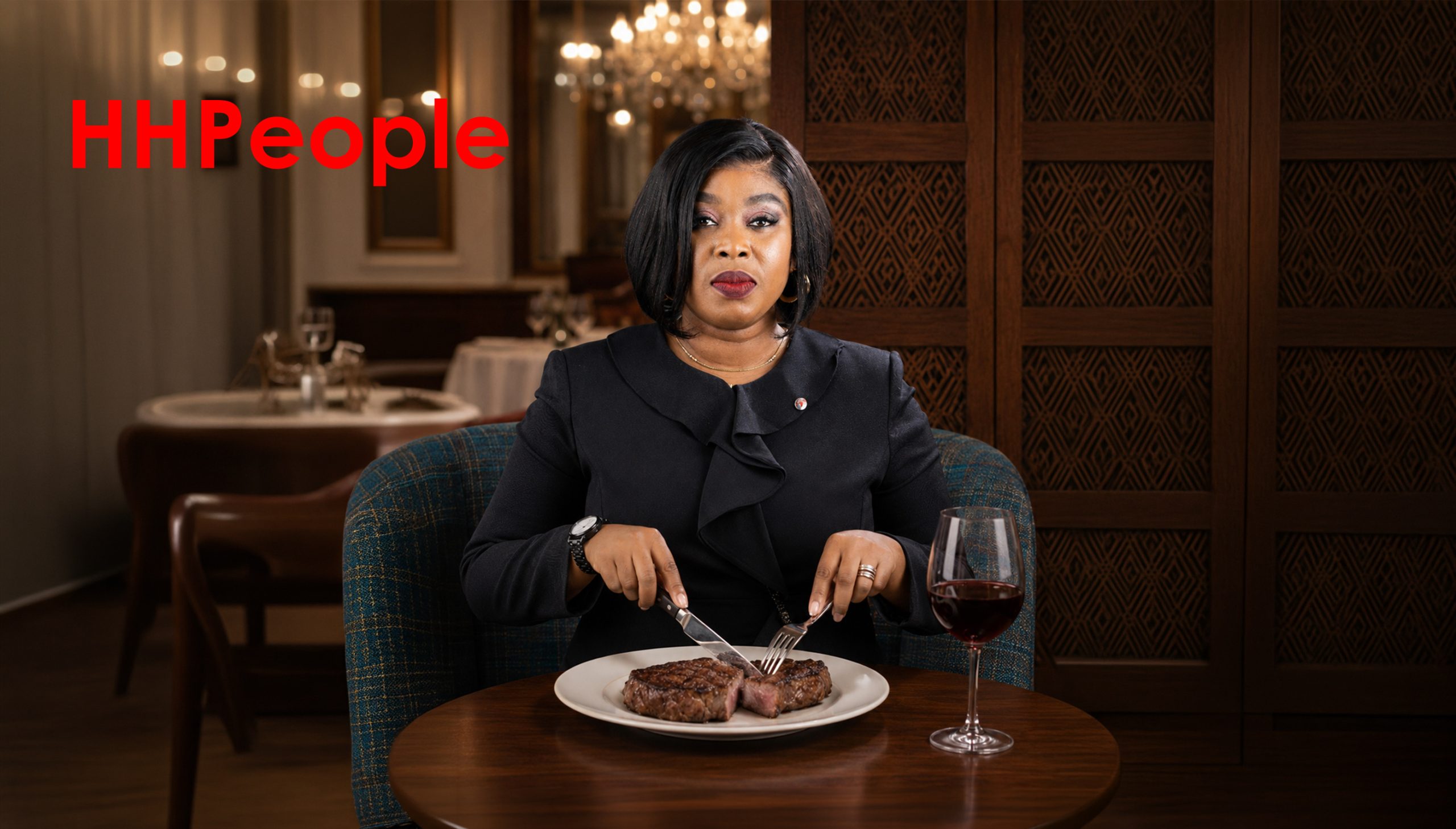
In a world where “beef” can mean anything from quiet office tension to full-blown professional fallout, staying grounded is a skill and a discipline. For Ujunwa Agu-Onuegbu, Head of Customer Experience at Heirs Insurance, conflict isn’t just inevitable; it’s information. It’s feedback. It’s an opportunity to listen better, think sharper, and lead with clarity.
In this conversation with ‘Deoye from HH People, she breaks down how she navigates pressure, handles workplace friction, and keeps empathy and accountability in balance, all while holding the line on excellence. Because in the middle of the noise, the real power isn’t in avoiding conflict, it’s in managing it well.
DF for HH People: Let’s start at the beginning. Tell us about your role as Head of Customer Experience at Heirs Insurance. What does a typical day look like for you?
UA: A typical day starts with a short prayer and green tea. Then I list the three to four must-deliver items for the day and create space for meetings across Group CX. That includes supporting CX projects from the Group CoP, ensuring team follow-through on outstanding tasks, and briefing stakeholders on customer feedback analytics.
I also check in on outlier customer concerns, drive cross-functional engagements on improvements, and do mini walkthroughs with cluster leads from the Contact Center, CX Governance, Retention, Claims, Communications, Product, and Service Standards. No two days are the same, but the constant is listening—to both the customer and the data.
DF: Customer experience is, at its heart, about people. What’s the biggest lesson you’ve learned about human beings from doing this job?
UA: Pay attention to detail and engage with clarity. People don’t always tell you what you need to know in one sentence. You have to understand the unspoken; that’s what guides your questions and your decisions.
DF: Conflict is inevitable wherever people exist. What’s your personal approach to resolving disagreements at work?
UA: I address issues directly with the person involved. If needed, I engage a respected neutral party to mediate so both sides can resolve things amicably. And I avoid gossip; it never fixes anything.
DF: In your experience, what’s the biggest mistake people make when handling conflict in the workplace?
UA: Focusing on the person instead of the issue. People attack character instead of identifying the root cause. You can’t solve what you won’t name. Stay objective, be fair, and ensure your decisions are unbiased throughout the resolution process.
DF: You lead a team and work with multiple stakeholders. How do you balance empathy with accountability? In other words, how do you remain kind without becoming a pushover?
UA: Kindness means remembering that nobody’s perfect. For first-time errors, I coach rather than punish. But I also institutionalise standards, so the same error doesn’t repeat.
To drive accountability, I ensure the person owns fixing the issue, and I track recurrence. If it happens again, I communicate repercussions clearly. Empathy sets the tone; standards hold the line.
DF: Every workplace has its tensions, rivalries, and moments of friction. Have you ever had to navigate envy or competition at work, and how did you handle it?
UA: Honestly, many times. It depends on the situation. In some cases, I ignore the tension and focus on what matters to me. In others, I address the root of the friction and suggest ways to resolve it. Sometimes, it simply requires maturity, knowing which approach fits each situation.
DF: The insurance industry is highly competitive. How do you view competitors: rivals to beat, benchmarks to learn from, or something else entirely?
UA: I see competition as a call to be an agile thinker. For me, it’s not about benchmarking, it’s about identifying where competitors are losing and then winning in those areas. I prefer innovation that disrupts the market rather than copying what exists. I would like us to lead as the most innovative digital insurance company, always.
DF: There’s a fine line between healthy competition and unhealthy comparison. How do you stay focused on your own lane while still striving to win?
UA: I remind myself why I do this job. I’m passionate about CX, I live and breathe it. I cut off anything that costs me peace of mind. If a relationship becomes toxic, I protect my mental health intentionally. I focus on what works, what matters, and on clear personal goals. That’s how I win without losing myself.
DF: Workplace politics: unavoidable reality or exaggerated myth? What’s your take?
UA: It’s an unavoidable reality. My approach is to engage it with maturity and wisdom. Being overly political has its pitfalls. Play the game but don’t let it play you.
DF: Have you ever completely changed your opinion about someone at work; perhaps someone you initially disagreed with or misunderstood? What happened?
UA: Yes. I recently worked with a leader I initially assumed disliked me, based on my perception and stories from others. But working directly with them changed everything.
I came to understand their principles, decision-making, and leadership style, and I learned how to engage in a way that helped them make the right call. I now appreciate how quickly they resolve issues, they’re very supportive and objective when approached with facts.
DF: What’s the pettiest workplace behaviour you’ve ever witnessed? No names, of course, we’re trying to keep the peace.
UA: Gossiping… and the gossipers accidentally letting the person they’re talking about overhear them.
DF: Which workplace phrase or corporate buzzword instantly makes you roll your eyes?
UA: “I’m not aware” or “We all agreed”— when there was no discussion.
DF: People often say, “Pick your battles.” How do you decide what’s worth fighting for and what’s better left alone?
UA: I’ll pick the battle if it affects company reputation, customer experience, employee experience, or my personal integrity. Anything else, I can let go.
DF: Looking back on your career, can you share a difficult professional experience or disagreement that ultimately taught you an important lesson?
UA: That’s a story for another day. It’s a lot.
DF: Finally, because this is our Beef Issue: what’s one completely harmless hill you’ll always be willing to die on, at work or in life?
UA: Excellence. Always.



Such a delightful read and your love for all things excellence and CX has shone through.. this was a fun read.. no beef